









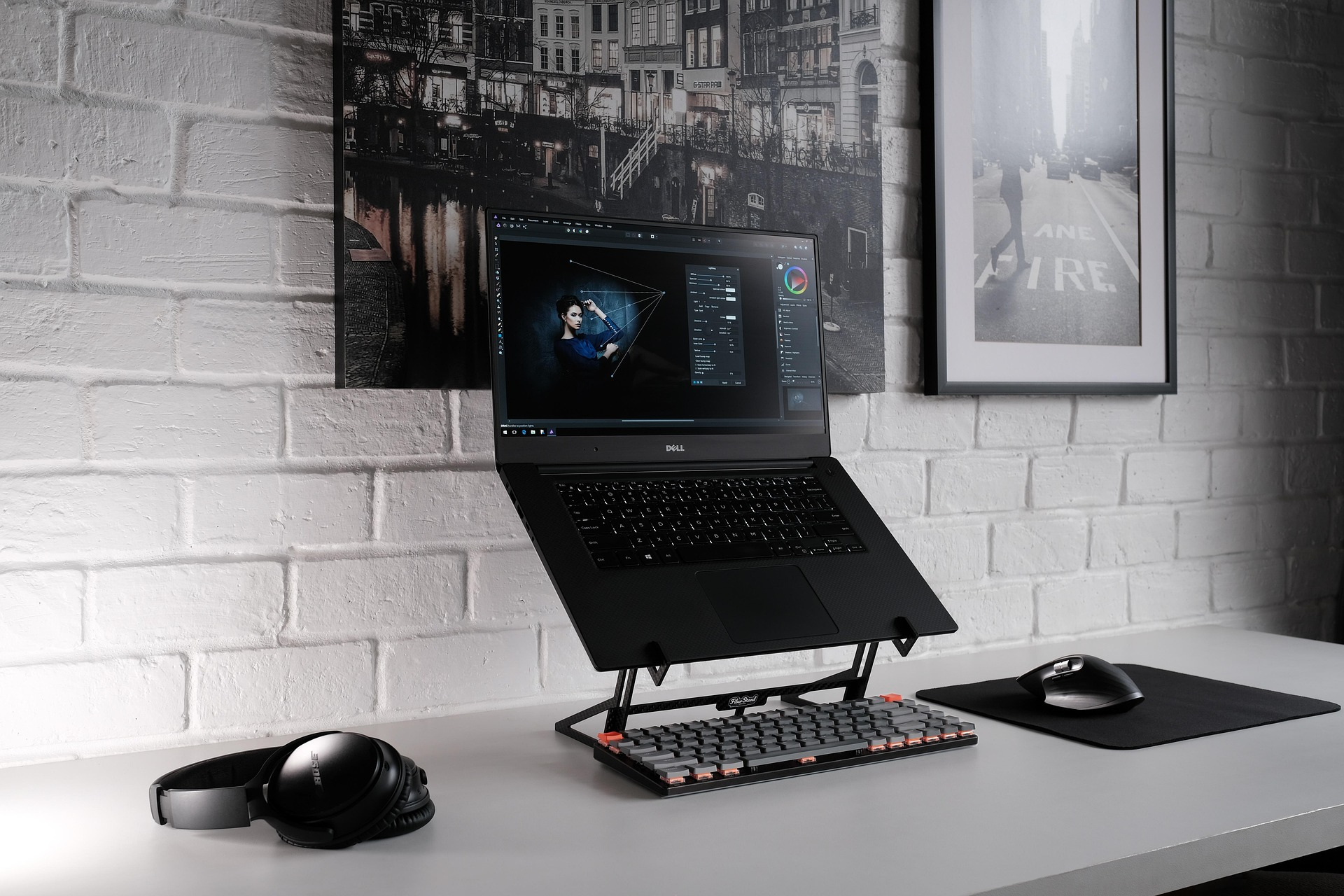

Remote work is no longer just a temporary solution or a workplace trend—it has become a permanent shift in how the world works. What started as a necessity has evolved into a preferred way of working for millions of professionals and companies globally. As technology advances and work culture changes, remote work is shaping the future of employment in powerful ways.
Let’s explore how remote work is evolving and what lies ahead.
How Remote Work Became the New Normal
The rapid growth of digital tools, cloud platforms, and high-speed internet made it possible for employees to work from anywhere. Businesses soon realized that productivity doesn’t depend on a physical office—it depends on flexibility, trust, and smart collaboration.
Employees, on the other hand, discovered better work-life balance, reduced commuting stress, and more control over their schedules. This mutual benefit accelerated the adoption of remote and hybrid work models across industries.
The Future of Work Is Hybrid
While fully remote jobs continue to grow, the future is largely hybrid. Companies are blending remote and in-office work to offer flexibility while maintaining team collaboration.
Hybrid models allow:
-
Employees to choose where they work best
-
Companies to reduce operational costs
-
Teams to collaborate without location limits
This balanced approach is expected to dominate workplaces in the coming years.
Technology Driving Remote Work Forward
The future of remote work is closely tied to technology. Tools powered by artificial intelligence, automation, and virtual collaboration are transforming how teams communicate and manage tasks.
Key innovations shaping remote work include:
-
AI-powered productivity tools
-
Virtual meeting and collaboration platforms
-
Cloud-based project management systems
-
Cybersecurity solutions for remote teams
As technology evolves, remote work will become even more seamless and efficient.
Benefits That Make Remote Work Here to Stay
Remote work offers advantages that go beyond convenience:
-
Better work-life balance
-
Access to global talent
-
Increased employee satisfaction
-
Lower operational costs for businesses
-
Reduced environmental impact
These long-term benefits ensure that remote work isn’t fading anytime soon.
Challenges and How the Future Will Solve Them
Despite its advantages, remote work comes with challenges such as isolation, communication gaps, and blurred work-life boundaries. The future will address these issues through:
-
Stronger digital collaboration tools
-
Focus on mental health and employee well-being
-
Clear performance-based evaluation systems
-
Flexible yet structured work schedules
Organizations that adapt early will gain a competitive edge.
What This Means for Professionals and Businesses
For professionals, the future of work means more freedom, flexibility, and opportunities beyond geographical limits. For businesses, it means rethinking leadership, productivity, and company culture.
Success in the remote-first future will depend on adaptability, continuous learning, and embracing digital transformation.
Final Thoughts
The rise of remote work is redefining how we view jobs, workplaces, and careers. As hybrid models grow and technology advances, the future of work will be more flexible, inclusive, and innovative than ever before.
Remote work isn’t just changing where we work—it’s changing how we live.