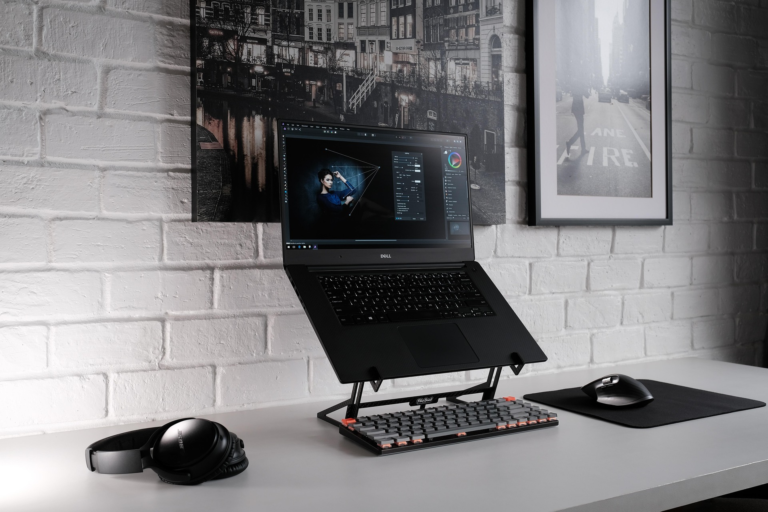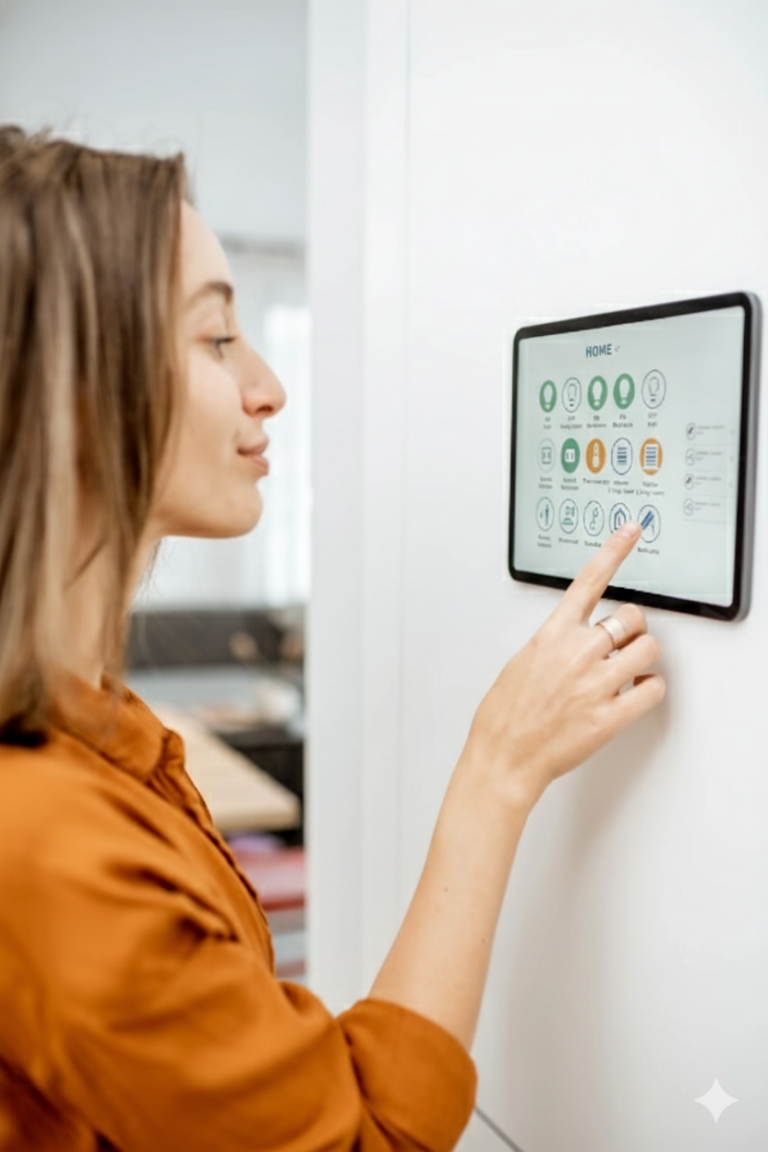









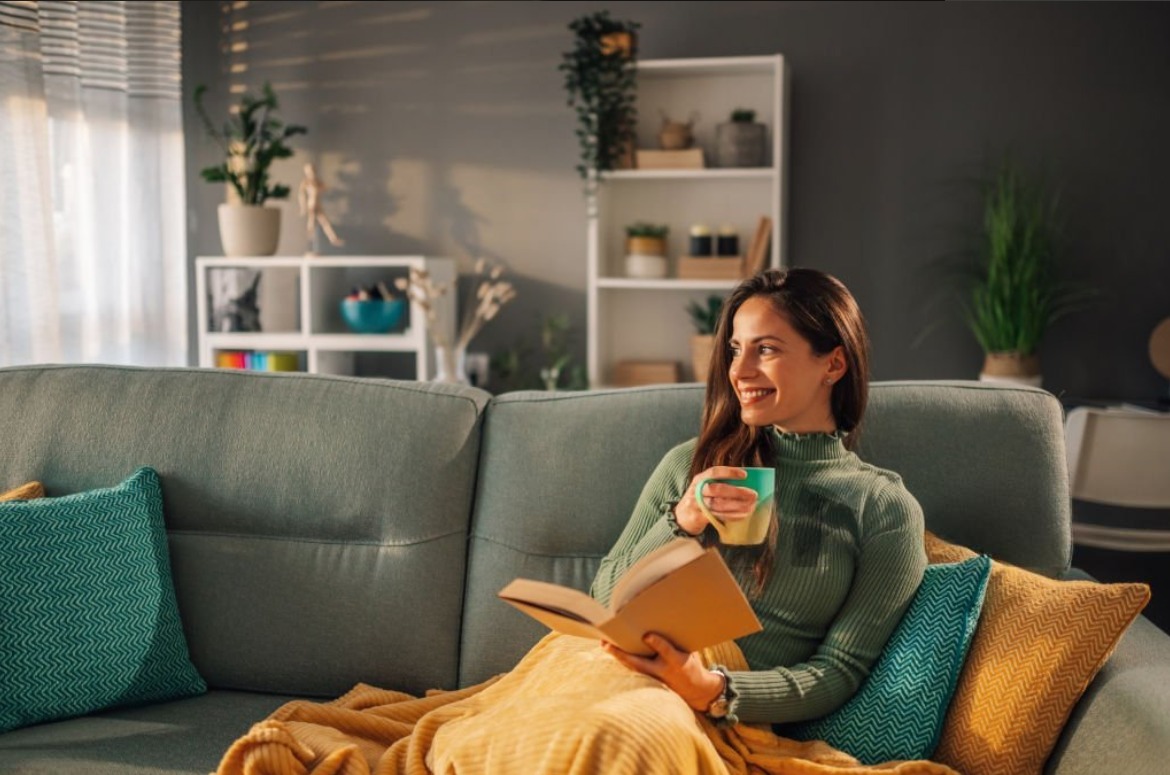
Screens have slowly taken over our homes. Phones on bedside tables, TVs running in the background, laptops on dining tables, and notifications buzzing every few minutes. At some point, many people start feeling tired, distracted, and mentally overloaded — even when they’re supposed to be relaxing at home.
That’s why more people are now learning how to create screen-free spaces at home.
This isn’t about cutting technology out completely. It’s about creating balance. A screen-free space gives your mind room to breathe. It helps you slow down, focus better, and enjoy your home the way it was meant to be enjoyed.
If you’re feeling overwhelmed by constant screen use, here’s how you can start building screen-free areas that actually work in real life.
Why Screen-Free Spaces Matter More Than Ever
We live in a time where being online feels normal — even expected. Work messages come after hours, social media never sleeps, and entertainment is always just one click away. Over time, this constant exposure affects focus, sleep, and emotional health.
Creating screen-free areas at home supports a digital detox at home without forcing extreme changes. Instead of trying to quit screens entirely (which rarely works), you create physical boundaries that naturally help you disconnect.
These spaces become mental reset zones — places where you don’t feel pressured to scroll, respond, or consume.
Start with the Intention to Reduce Screen Time at Home
Before rearranging furniture or redesigning rooms, start with intention. Decide why you want to reduce screen time at home.
Is it to sleep better? Spend more time with family? Feel less anxious? Read more? Be more present?
Once your reason is clear, decisions become easier. You’re not just removing screens — you’re making space for something better.
Choose One Room First (Don’t Do Everything at Once)
One of the biggest mistakes people make is trying to change the whole house at once. That usually leads to frustration.
Start with one room. Popular choices include:
-
Bedroom
-
Living room corner
-
Dining area
-
Reading or meditation corner
A single screen-free room can change how your entire home feels. Once you experience the benefits, you’ll naturally want to expand.
Create a Screen-Free Bedroom for Better Rest
Bedrooms are one of the most important places to go screen-free. Phones and TVs overstimulate the brain, making it harder to relax and sleep.
Simple steps:
-
Charge phones outside the bedroom
-
Replace phone alarms with an alarm clock
-
Keep TVs out of sleeping areas
-
Use warm lighting instead of bright screens
This supports screen-free living and improves sleep quality without effort.
Use Simple Tech-Free Home Ideas That Feel Practical
You don’t need expensive renovations. Small tech-free home ideas can make a big difference:
-
A basket near the door to drop phones
-
A drawer for devices during meals
-
Books or magazines placed where phones usually sit
-
Music instead of TV noise
The goal is convenience. When screens are less accessible, you naturally use them less.
Design Unplugged Living Spaces That Feel Inviting
People often worry that unplugged living spaces will feel boring. In reality, they often feel warmer and more personal.
Fill these spaces with:
-
Comfortable seating
-
Plants or natural elements
-
Soft lighting
-
Art, photos, or books
When a space feels good, you’ll want to spend time there — no screen required.
Focus on Creating a Calm Home Environment
Screens bring constant stimulation. Even when you’re not actively using them, they demand attention.
Creating a calm home environment means reducing visual and mental noise. Screen-free areas help lower stress levels and make your home feel like a safe place to unwind.
Quiet doesn’t mean silence. It means peace.
Ease into a Screen-Free Lifestyle Naturally
A screen-free lifestyle doesn’t happen overnight. It grows through small habits.
Try:
-
Screen-free mornings
-
No screens after a certain hour
-
One screen-free day part each week
These routines feel manageable and sustainable — not forced.
Practice Mindful Living at Home Through Design
Screens pull attention outward. Removing them encourages mindful living at home.
Without screens:
-
Conversations last longer
-
Thoughts slow down
-
You notice your surroundings more
Mindfulness doesn’t need effort. It needs fewer distractions.
Get Creative with Screen-Free Room Ideas
Screen-free doesn’t mean empty. Great screen-free room ideas include:
-
Reading corners
-
Yoga or stretching spaces
-
Craft or hobby rooms
-
Journaling nooks
-
Quiet tea or coffee spots
Each space serves a purpose beyond consumption.
Explore Home Design Without Screens
Modern home design without screens focuses on human comfort rather than entertainment centers.
Instead of arranging furniture around a TV, try:
-
Seating that faces each other
-
Central tables for conversation
-
Open shelves instead of screens
Design choices influence behavior more than willpower ever will.
Build a Stress-Free Home Setup Step by Step
A stress-free home setup comes from removing pressure, not adding rules.
If a screen-free rule feels stressful, loosen it. The goal is relief, not restriction. Flexibility makes habits stick.
Embrace a Minimalist Lifestyle at Home
Screens add clutter — cords, remotes, devices, noise.
A minimalist lifestyle at home pairs perfectly with screen-free spaces. Fewer items mean fewer distractions, which means more peace.
Minimalism isn’t about owning nothing. It’s about owning what supports your life.
Protect Screen-Free Family Time
Families benefit greatly from intentional screen-free family time.
Ideas include:
-
Phone-free meals
-
Game nights
-
Walks or shared hobbies
-
Evening conversations
These moments build stronger connections and healthier habits for everyone — especially kids.
Understand the Link Between Mental Health and Screen Time
There’s a clear connection between mental health and screen time. Too much exposure can lead to anxiety, comparison, and mental fatigue.
Screen-free spaces act as emotional buffers. They give your mind time to reset, process, and rest.
Support Healthy Lifestyle Habits at Home
When screens step back, better habits naturally step forward.
People move more, sleep better, talk more, and feel calmer. Screen-free spaces quietly support healthy lifestyle habits at home without pressure or guilt.