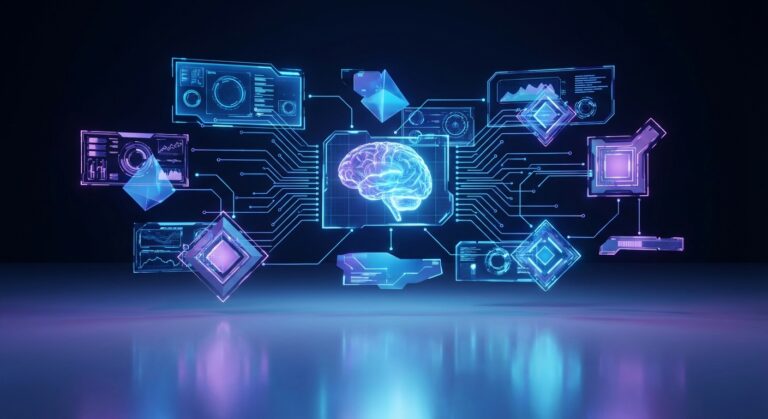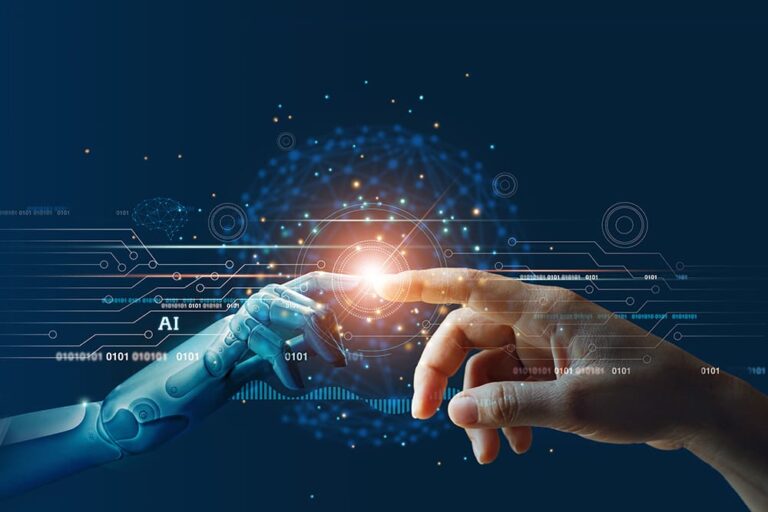









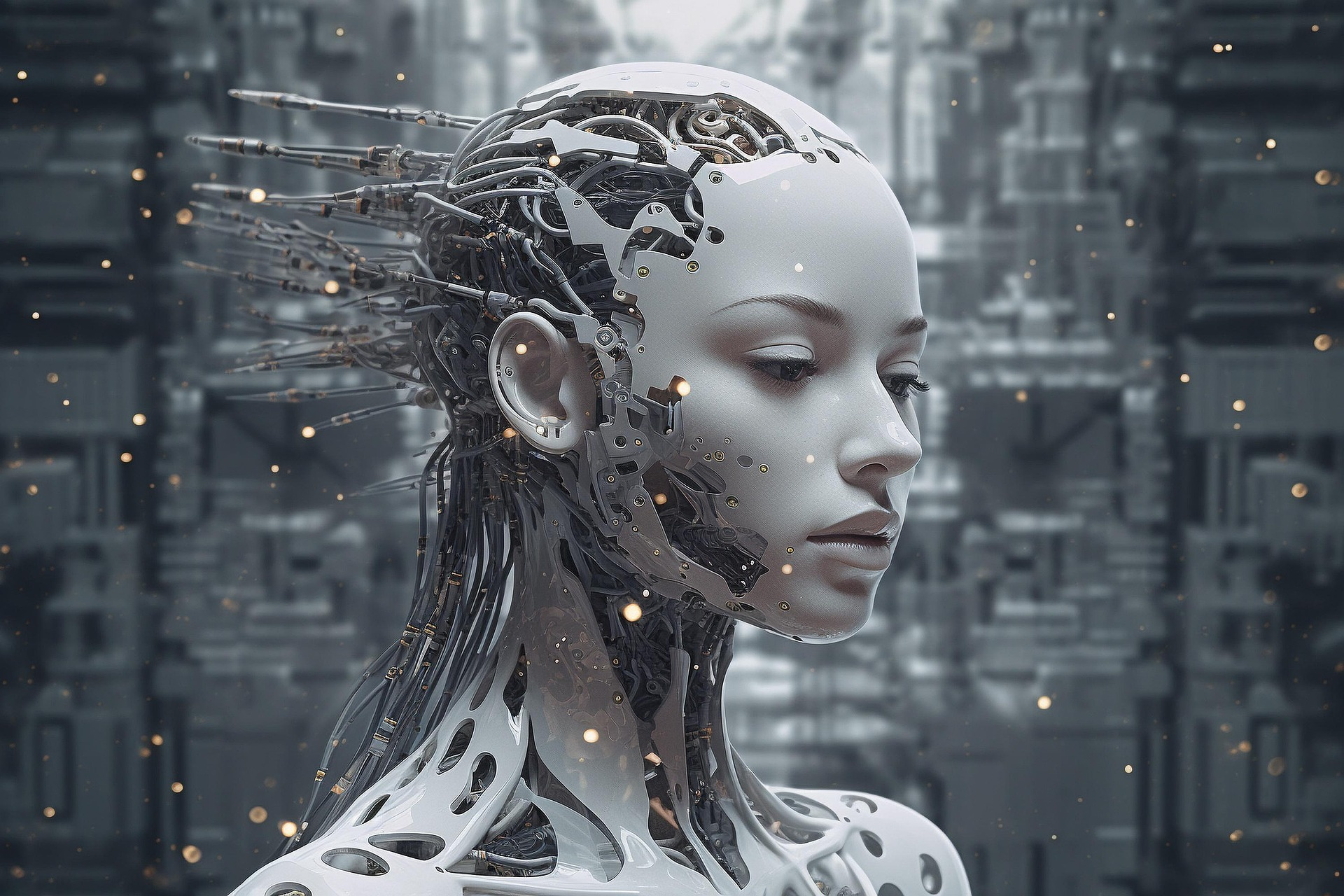
Artificial intelligence is no longer limited to research labs or tech companies. In 2026, artificial intelligence has quietly become part of everyday life, shaping the way people work, communicate, shop, learn, and make decisions. What once felt futuristic is now practical, accessible, and deeply integrated into daily routines.
From smartphones that understand context to systems that help businesses make smarter choices, artificial intelligence technology is influencing modern life in ways many people don’t even notice. Let’s explore how AI in daily life is changing the world around us.
Artificial Intelligence in Daily Life
One of the biggest changes brought by artificial intelligence is how naturally it fits into everyday activities. Many people use AI-powered tools without consciously thinking about them.
Smart assistants help manage schedules, set reminders, and answer questions instantly. Navigation apps analyze real-time traffic to suggest faster routes. Recommendation systems on shopping and streaming platforms understand preferences and suggest content that feels surprisingly personal.
AI in daily life is designed to reduce effort, save time, and make experiences smoother. Instead of replacing human decision-making, it supports it by offering faster and more accurate information.
Artificial Intelligence Technology in Smart Homes
Homes in 2026 are more intelligent than ever. Artificial intelligence technology allows devices to learn habits and adapt to lifestyles. Lighting systems adjust based on time and mood, temperature controls respond to usage patterns, and security systems recognize familiar faces.
These systems are not just about comfort. They help reduce energy consumption, improve safety, and create living spaces that respond to individual needs. As a result, smart homes feel less automated and more intuitive.
AI Applications in Work and Productivity
The workplace has seen a major shift due to AI applications. Artificial intelligence is now used to automate repetitive tasks, organize large amounts of data, and improve efficiency across industries.
In offices, AI tools assist with scheduling, data analysis, customer support, and content management. Professionals use AI-powered software to draft reports, analyze trends, and make informed decisions faster.
Rather than replacing jobs, artificial intelligence is changing how people work. It allows employees to focus on creativity, strategy, and problem-solving while routine tasks are handled by intelligent systems.
Artificial Intelligence in Healthcare and Education
Healthcare is one of the most impactful areas influenced by artificial intelligence. AI applications help doctors detect diseases earlier, analyze medical images, and personalize treatment plans. Patients benefit from faster diagnosis and more accurate care.
In education, artificial intelligence technology supports personalized learning. Students receive lessons based on their pace and understanding, while teachers use AI tools to track progress and identify learning gaps. This approach makes education more inclusive and effective.
The Future of Artificial Intelligence
The future of artificial intelligence is focused on balance—making technology smarter while keeping it responsible and human-centered. In the coming years, AI systems will become more transparent, ethical, and secure.
As artificial intelligence continues to evolve, its role will expand beyond convenience. It will help solve complex problems related to climate change, healthcare access, and urban planning. The challenge will be ensuring that innovation benefits society as a whole.
Conclusion
In 2026, artificial intelligence is no longer a distant concept—it is part of everyday life. From homes and workplaces to healthcare and education, AI in daily life continues to shape how people live and interact with technology.
As artificial intelligence technology advances, understanding its impact becomes essential. When used thoughtfully, AI has the power to enhance human potential, improve quality of life, and support smarter decisions in a rapidly changing world.