








Not long ago, screens felt like a luxury. A TV in the living room, a computer in the corner — that was enough. Today, screens are everywhere. Phones, tablets, laptops, smart TVs, watches, even kitchen appliances. We wake up to screens, work on screens, relax with screens, and fall asleep staring at one.
That constant exposure is exactly why more people are now choosing screen-free spaces at home.
This isn’t about rejecting technology or living like it’s the 90s again. It’s about balance. People are realizing that a home should feel like a place to rest, not another extension of work notifications, endless scrolling, and digital noise. Creating screen-free areas is becoming a practical way to slow down, breathe easier, and reconnect with real life.
Let’s look at why this shift is happening and why it’s sticking.
The Growing Need for a Digital Detox at Home
Most of us don’t need to be told we spend too much time on screens — we feel it. Eye strain, headaches, poor sleep, and that tired-but-restless feeling at the end of the day. That’s where the idea of a digital detox at home comes in.
A digital detox doesn’t mean throwing your phone away. It means having specific areas in your house where screens are simply not welcome. No notifications. No background TV noise. No “just five more minutes” of scrolling.
These spaces give your brain a break. They remind you that it’s okay to be unreachable for a while. Over time, people notice they feel calmer, less reactive, and more present in their own homes.
Why People Want to Reduce Screen Time at Home
Work-from-home culture blurred the line between professional and personal life. Bedrooms became offices. Dining tables turned into workstations. Even after logging off, screens stayed on.
Now, people actively want to reduce screen time at home, especially during evenings and weekends. Many are setting simple rules like:
-
No phones in the bedroom
-
No TV during meals
-
One screen-free room in the house
These small boundaries help separate “online life” from “home life.” When screens stop dominating every moment, people start sleeping better, talking more, and feeling less mentally drained.
Screen-Free Living Isn’t Anti-Tech — It’s Pro-Balance
There’s a common misconception that screen-free living means being against technology. That’s not true. Most people embracing this lifestyle still use devices daily — they just use them more intentionally.
Screen-free living is about choosing when and where technology fits into your life, instead of letting it take over every corner of your home. It’s the difference between using your phone as a tool and feeling controlled by it.
This mindset shift alone changes how people experience their space.
Mindful Living at Home Starts with Fewer Screens
Homes used to be places where people talked, rested, and spent time together. Constant screen use quietly changed that. People sit in the same room but live in different digital worlds.
Creating screen-free areas supports mindful living at home. Without screens, you naturally become more aware of your surroundings. You notice silence. You pay attention to conversations. You slow down your thoughts.
Mindfulness doesn’t require meditation cushions or incense. Sometimes, it starts with simply turning things off.
The Real Benefits of Screen-Free Rooms
The benefits of screen-free rooms go beyond aesthetics. People who maintain these spaces often report:
-
Better sleep quality
-
Reduced stress and anxiety
-
Improved focus and creativity
-
Stronger family connections
-
A calmer home atmosphere
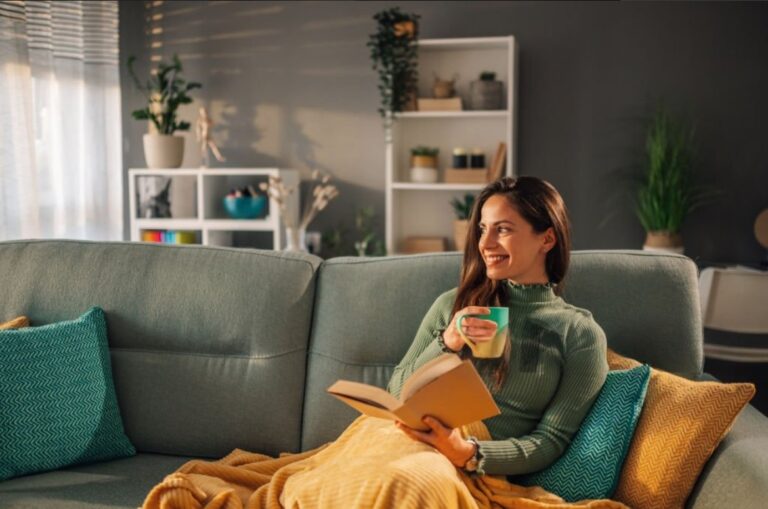
A screen-free bedroom, for example, helps your brain associate that space with rest instead of stimulation. A screen-free reading corner encourages deeper concentration. Even a screen-free dining area makes meals feel more meaningful.
Choosing a Screen-Free Lifestyle That Feels Natural
A screen-free lifestyle doesn’t have to be strict or uncomfortable. It works best when it fits naturally into your routine.
Some people start small:
-
One hour every evening without screens
-
One room without devices
-
One day a week with limited screen use
Over time, these habits feel less like rules and more like relief. The goal isn’t perfection — it’s awareness.
Why Unplugged Living Spaces Feel So Refreshing
There’s something deeply calming about unplugged living spaces. No glowing screens, no constant alerts, no pressure to respond instantly.
These spaces often feel warmer and more personal. People fill them with books, plants, soft lighting, art, or comfortable seating. The absence of screens makes room for presence.
Many say these areas become their favorite spots in the house — the place they go when they need to reset.
Simple Tech-Free Home Ideas That Actually Work
You don’t need to redesign your entire house. Simple tech-free home ideas can make a big difference:
-
Keep chargers outside bedrooms
-
Use analog clocks instead of phones
-
Store devices in a drawer during meals
-
Replace TV time with music or conversation
-
Create a reading or journaling corner
The key is consistency. When a space has a clear purpose, it’s easier to keep screens out.
Creating a Calm Home Environment Without Screens
Noise isn’t always loud — sometimes it’s mental. Notifications, emails, and endless content create background tension even when you don’t notice it.
Creating a calm home environment often starts by reducing digital noise. Screen-free spaces naturally feel quieter, even without silence. Your mind gets space to wander, reflect, or simply rest.
That calm affects everything — mood, patience, sleep, and relationships.
Why Screen-Free Family Time Matters More Than Ever
Families today spend more time together physically but less time connecting emotionally. Everyone’s on their own device.
Intentional screen-free family time changes that. Board games, shared meals, walks, or simple conversations feel more meaningful when screens aren’t competing for attention.
Kids also learn important habits by watching adults. When they see parents putting phones away, they understand that connection matters more than content.
Mental Health and Screen Time Are Closely Connected
Research and personal experience both show a strong link between mental health and screen time. Too much exposure often leads to anxiety, comparison, poor sleep, and emotional fatigue.
Screen-free spaces don’t fix everything, but they help create mental breathing room. They offer moments where your mind isn’t being pulled in a hundred directions.
For many people, this simple change makes a noticeable difference in how they feel day to day.
Home Design Without Screens Is Gaining Popularity
Interior design trends are shifting toward home design without screens in certain areas. Designers are focusing on comfort, warmth, and human interaction instead of entertainment-centered layouts.
Think cozy seating instead of TV-facing couches. Shelves instead of screens. Lighting that encourages relaxation instead of stimulation.
These designs reflect how people actually want to feel at home — relaxed, grounded, and present.
Screen-Free Spaces Support a Minimalist Lifestyle at Home
A minimalist lifestyle at home isn’t just about owning fewer things. It’s about reducing mental clutter too.
Screens add visual noise, wires, and constant information flow. Removing them from certain areas instantly makes a space feel cleaner and lighter.
Minimalism and screen-free living go hand in hand because both focus on intentional choices rather than excess.
Building a Stress-Free Home Setup One Room at a Time
A stress-free home setup doesn’t happen overnight. It’s built through small, thoughtful decisions.
Start with one room. Decide how you want to feel there. Calm? Focused? Rested? Then remove anything that doesn’t support that feeling — including unnecessary screens.
As stress levels drop in one area, people naturally expand the idea to other parts of the home.
Screen-Free Spaces Encourage Healthy Lifestyle Habits at Home
When screens take a step back, healthier behaviors often step forward. People move more. Read more. Talk more. Sleep better.
That’s why screen-free spaces support healthy lifestyle habits at home without effort or pressure. You don’t need motivation when your environment already supports better choices.
Sometimes, the healthiest habit is simply being present.